
What Should Be Considered When Using Epoxy Rods
Epoxy rods are a common high-performance insulating material widely used in transformers, switchgear, reactors, new energy equipment, and various power and electrical systems. They offer excellent electrical insulation, mechanical strength, and thermal resistance, playing an important role in engineering applications. However, improper selection or incorrect use may lead to insulation failure, structural damage, or equipment malfunction.
This article explains the key considerations when using epoxy rods from the perspectives of selection, installation, machining, operating environment, and maintenance.
Proper Selection Is the Basis for Performance
Different operating conditions place different performance requirements on epoxy rods. The following factors should be carefully evaluated during selection:
1. Electrical Performance Matching
Whether the dielectric strength meets the system voltage requirements
Whether volume resistivity and arc resistance comply with insulation safety standards
Suitability for AC, DC, or high-frequency operating conditions
For high-voltage or long-term operating equipment, epoxy rods with higher electrical strength ratings should be selected.
2. Mechanical Strength and Structural Requirements
Whether bending strength and compressive strength meet load-bearing requirements
Whether the rod is used as a support, tie rod, or structural fixing component
Stability under long-term vibration or impact conditions
When epoxy rods are used as structural components, selection should not be based solely on insulation standards; mechanical performance must also be evaluated.
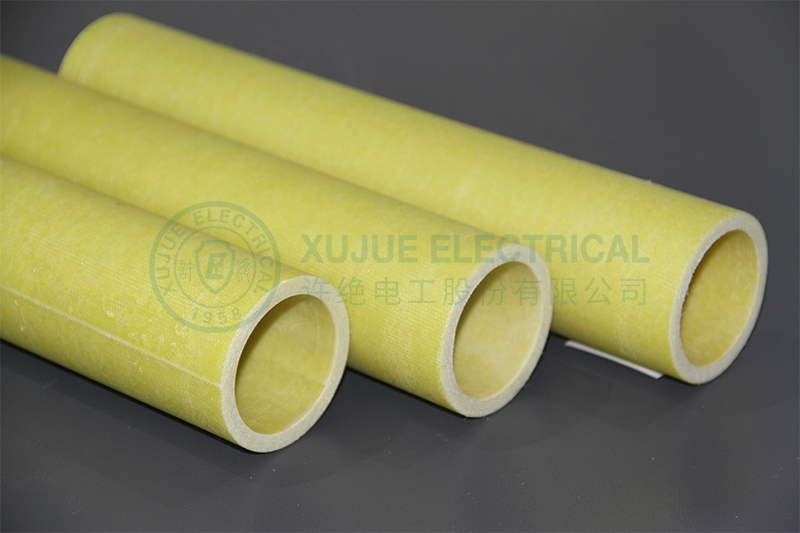
Operating Environment Affects the Service Life of Epoxy Rods
1. Temperature Control
Epoxy rods usually have defined thermal classes (such as Class B, Class F, and Class H). Long-term operation above the rated temperature limit may result in:
Accelerated resin aging
Reduced mechanical strength
Degradation of insulation performance
The actual operating temperature should always remain within the specified long-term temperature limit.
2. Moisture and Corrosion Protection
Although epoxy rods have certain moisture resistance, special attention is required in the following environments:
High-humidity or condensation-prone conditions
Exposure to oil mist, acids, alkalis, or other chemical media
Outdoor or semi-enclosed installations
When necessary, materials with low water absorption should be selected, or additional protective structures should be applied.
Considerations for Machining and Installation
1. Machining Methods
During cutting, drilling, or turning, attention should be paid to:
Using dedicated tools to prevent chipping or cracking
Controlling machining temperature to avoid local resin carbonization
Maintaining smooth machined surfaces to reduce stress concentration
Improper machining can significantly shorten the service life of epoxy rods.
2. Installation Process
During installation, the following should be considered:
Avoid forced bending or twisting
Ensure uniform load distribution at fixing points to prevent excessive local stress
Check whether insulating pads are required at contact points with metal components

Operation and Maintenance Considerations
1. Regular Inspection of Insulation Condition
Check for surface cracks, whitening, or carbonization
Look for signs of partial discharge
Verify that fixing structures remain secure
2. Avoid Overload and Abnormal Operating Conditions
Short-term abnormalities may be difficult to detect, but long-term accumulation can significantly reduce the service life of epoxy rods.
Importance of Choosing a Reliable Supplier
High-quality epoxy rods should feature:
Stable and consistent raw material systems
Mature forming and curing processes
Complete and reliable performance test data
Compliance with third-party testing or relevant industry standards
In power and industrial systems, material stability is often more critical than any single performance parameter.
Epoxy rods are not universal materials. Their performance depends on proper selection, standardized machining, correct installation, and suitable operating environments. Only by paying attention throughout the entire application process can their advantages in insulation and structural support be fully realized, ensuring the long-term, safe, and stable operation of electrical equipment.
