
2026 Diamond Dotted Paper Manufacturers – Global Sourcing Guide
With the continuous growth of the global power equipment industry, Diamond Dotted Paper (DDP) remains a critical insulation material for transformer windings.
For transformer manufacturers, traders, and EPC contractors, the key challenge in 2026 is clear:
How to find reliable DDP suppliers while optimizing cost and supply chain stability?
This guide covers global supplier distribution, pricing trends, selection criteria, and sourcing strategies to help you make informed procurement decisions.
Global DDP Market Overview
DDP demand is mainly driven by:
Oil-Immersed Transformer
Distribution transformers
Reactors and electrical motors
Key Trends:
Shift toward higher thermal class (Class F / H)
Increasing demand for consistent quality and automation
Stricter compliance requirements (RoHS, REACH, UL)
2026 sourcing focus = Quality stability + Certification + Supply reliability
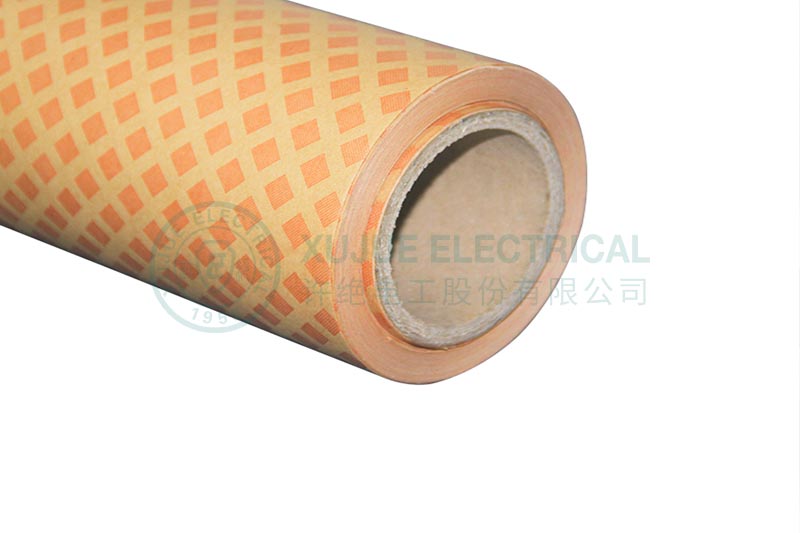
Global Manufacturer Distribution
1. China (Primary Supply Hub)
China remains the world’s largest DDP production base:
Complete supply chain (base paper + resin + coating)
Strong production capacity
Competitive pricing
Best for:
Bulk purchasing
OEM/ODM customization
Cost-sensitive projects
2. Europe & North America (High-End Market)
Suppliers in these regions offer:
Premium quality consistency
Strict certifications (UL, IEC, IEEE)
High-performance materials (including aramid-based DDP)
Best for:
Data centers
Healthcare systems
Critical infrastructure
3. India & Southeast Asia (Emerging Suppliers)
Competitive pricing
Flexible delivery
Improving quality standards
Suitable as alternative or regional sourcing options
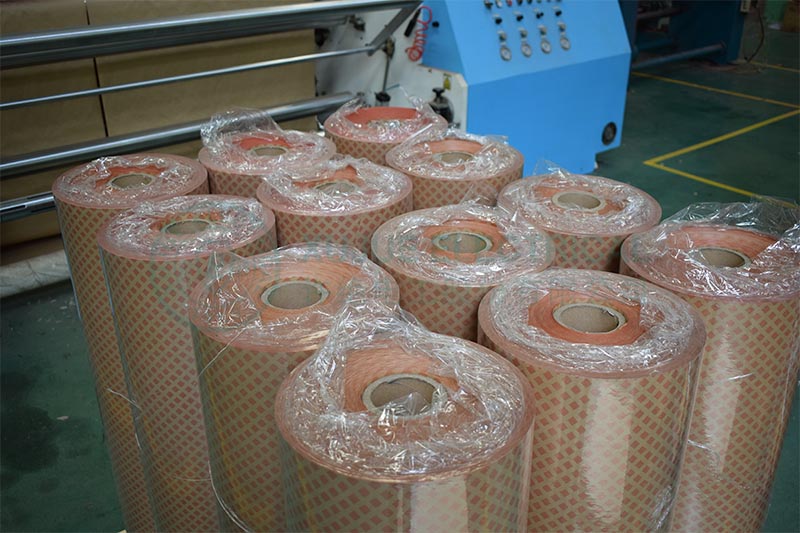
DDP Price Trends in 2026
Typical Price Range:
Standard DDP: $2.5 – $4.5/kg
High thermal grade DDP: $4 – $7/kg
Key Pricing Factors:
Base material (kraft paper vs aramid)
Resin type (epoxy vs modified resin)
Thickness (0.08–0.30 mm common)
Order volume (MOQ typically 100kg+)
Tip: Long-term contracts help stabilize pricing
How to Choose a Reliable DDP Supplier
1. Production Capability
Top manufacturers usually have:
Automated coating lines
Controlled curing systems
Annual capacity ≥ 3,000–5,000 tons
2. Quality Control
Critical testing parameters:
Dielectric strength
Adhesion performance
Thermal aging resistance
Consistency matters more than low price
3. Technical Support
Reliable suppliers should provide:
Material selection guidance
Sample testing support
Slitting and customization services
4. Certifications & Export Experience
Look for:
IEC compliance
UL certification (for US market)
RoHS / REACH
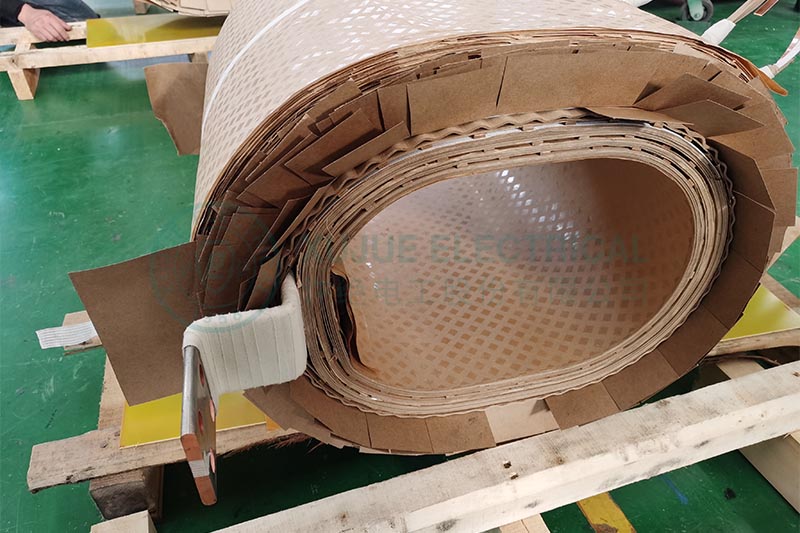
Key Selection Parameters
1. Thickness
0.08–0.13 mm → Small transformers
0.15–0.25 mm → Standard applications
≥0.30 mm → High mechanical strength
2. Resin Type
Epoxy resin → Most common
Modified resin → High-performance applications
3. Thermal Class
Class B (130°C)
Class F (155°C)
Choose higher class for high-temperature environments
Global Sourcing Strategies (Best Practices)
1. Dual Supplier Strategy
Main supplier: China (cost + capacity)
Backup supplier: Regional or local
2. Step-by-Step Procurement
Sample testing
Trial order
Bulk purchase
Reduces quality risks
3. Long-Term Agreements
Benefits include:
Stable pricing
Priority production
Consistent quality
Industry Trends for 2026
Key Developments:
Growing demand for aramid-based insulation materials
Expansion of renewable energy (wind & solar)
Increased automation in production
Diversified global supply chains
Future competition = Quality + Delivery + Technical support
The optimal global sourcing strategy for DDP in 2026 is:
“China as the main supplier + multi-regional backup + strict quality validation”
Cost efficiency → China
High-end performance → Europe/US
Risk control → Multi-supplier strategy
FAQs
1. Will DDP prices increase in 2026?
Prices may fluctuate slightly due to raw material costs, but overall trends are expected to remain relatively stable.
Long-term contracts help mitigate risks.
2. Is DDP suitable for all transformers?
DDP is mainly used in Oil-Immersed Transformer.
For Dry-Type Transformer, other insulation systems (such as epoxy or aramid) are typically used.
